

 English
-
 繁體中文
繁體中文 -
中文
-
English


Industry Insights: Impact of Middle East Volatility on Global Automotive Logistics and Export Dynamics
Author:Shanghai Sieton Group Co.,Ltd.,
Click:
Time:2026-03-07 16:19:34
The continuous escalation of geopolitical tensions in the Middle East has sent ripples through the global automotive trade chain. As a critical logistical crossroads connecting Asia, Europe, and Africa, the region's instability is directly reshaping the course and rhythm of China’s automotive exports.
Transshipment Hubs Under Pressure: Dubai’s Distribution Role Challenged
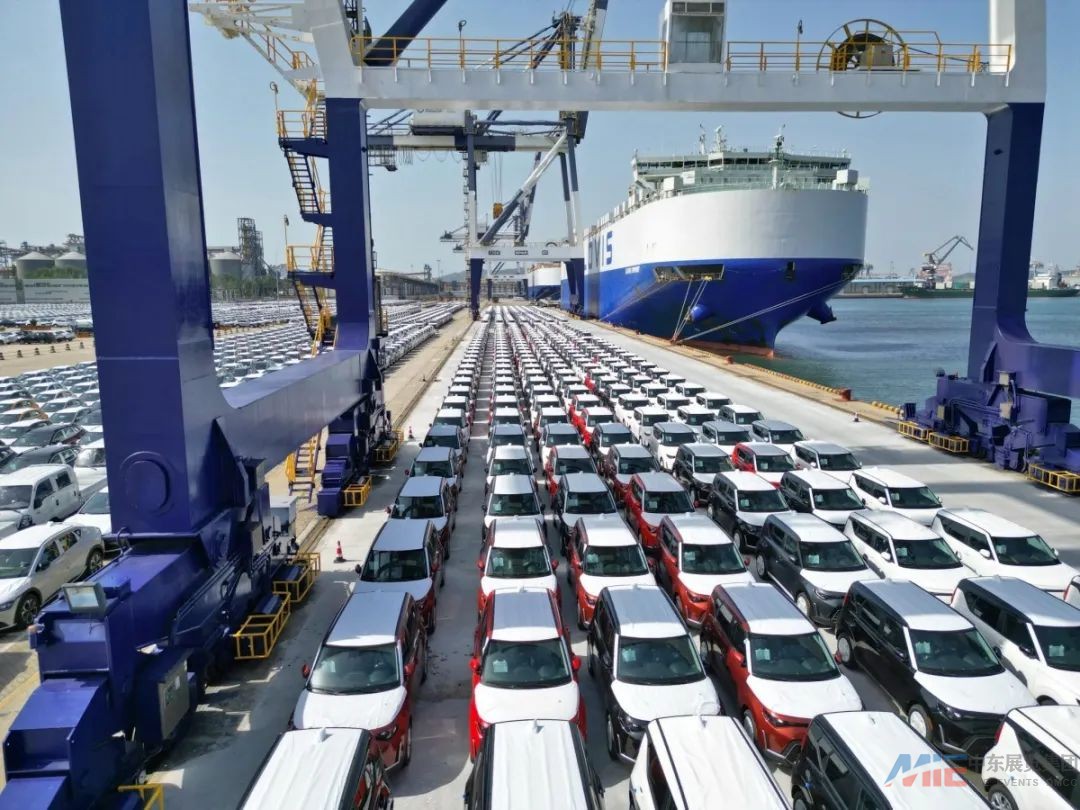
Dubai (Jebel Ali Port) serves not only as the UAE’s premier gateway but also as the 'pre-positioned warehouse' and primary transshipment hub for Chinese vehicles radiating toward the broader Middle East, West Africa, and North Africa.
Prominent Strategic Hub: Data from 2025 shows that China’s auto exports to the UAE reached 567,000 units—a year-on-year surge of over 70%. This volume significantly exceeds local market capacity, highlighting Dubai’s pivotal role in secondary distribution through its policy and geographical advantages.
Rising Operational Risks: Recent disruptions to port operations, despite swift technical recoveries, have fostered a 'wait-and-see' attitude among shipping lines. This has led to a marked decline in logistical efficiency, putting the rapid-response advantages of overseas warehouses to a severe test.
The Ripple Effect: Increased Costs and Longer Cycles for European Routes
The impact of the Middle East crisis extends far beyond the region, directly striking the trade arteries leading to Europe:
The 'New Normal' of Detours: Due to risks in the Red Sea, cargo vessels bound for the EU—China’s third-largest regional export market—are increasingly forced to circumnavigate the Cape of Good Hope.
Extended Lead Times: These detours add an average of 10 to 15 days to transit times. This has led to a sharp rise in logistics costs and inventory pressure, particularly for the New Energy Vehicle (NEV) sector, which demands high delivery efficiency.
III. Industry Outlook: Strategic Adjustments Amid High-Growth Projections
China’s automotive exports closed 2025 at a historic high of 7.09 million units, demonstrating remarkable industrial resilience. While the China Association of Automobile Manufacturers (CAAM) previously forecasted steady growth to 7.4 million units in 2026, intensifying geopolitical risks have introduced new variables to this outlook.
Our Strategic Recommendations:In response to the current complex logistical environment, we advise our partners to:
Diversify Logistical Layouts: Evaluate alternative routes and multi-modal transport solutions to reduce reliance on any single transit hub.
Strengthen Overseas Inventory: Leverage professional overseas warehouses—such as the joint facility established by COSCO Shipping and Chery—to mitigate supply chain volatility through strategic stockpiling.
Dynamically Adjust Delivery Expectations: Maintain proactive communication with downstream distributors regarding transit changes to optimize inventory management.
In the tide of global trade, volatility is the constant. We remain committed to providing precise industry insights and flexible logistical solutions, helping Chinese automotive brands find a new equilibrium of growth amidst these challenges.
 Katy
Katy
