

 English
-
 繁體中文
繁體中文 -
中文
-
English


Nigeria to Implement Zero Import Duty on Electric Vehicles from July 1, Opening New Opportunities for Chinese EV Exporters
Author:Shanghai Sieton Group Co.,Ltd.,
Click:
Time:2026-06-02 13:49:35
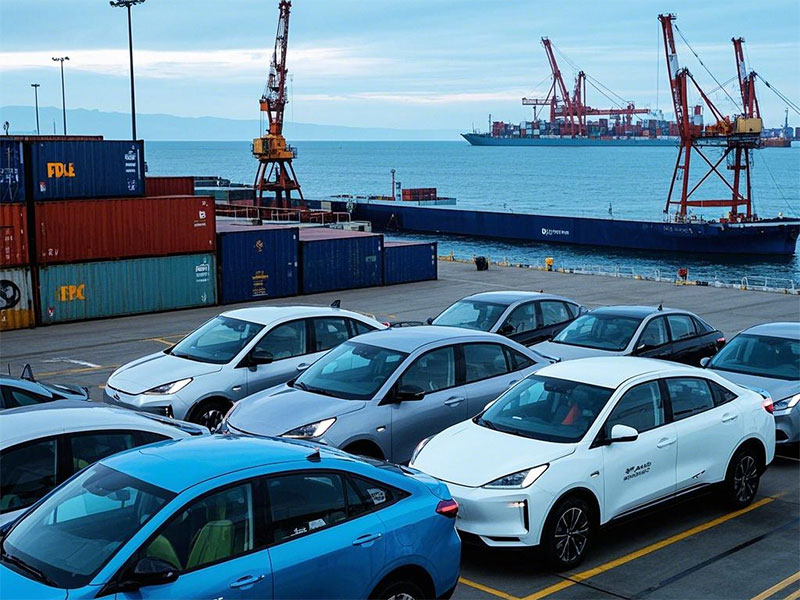
Nigeria has officially announced that it will implement a zero-import-duty policy for electric vehicles (EVs) starting July 1, 2026. Together with VAT exemptions and duty-free imports of EV manufacturing equipment, the new measures signal a major step toward accelerating the country's transition to sustainable mobility.
As the largest automotive market in West Africa, Nigeria's policy shift is expected to create significant opportunities for global EV manufacturers, particularly Chinese automakers and supply chain enterprises seeking to expand their presence in Africa.
New EV Incentives Set to Take Effect on July 1
According to Nigeria's 2026 Fiscal Policy Measures, several incentives will be introduced to support the development of the electric mobility sector:
- Import duties on battery electric passenger vehicles, commercial vehicles, and electric motorcycles will be reduced from 5% to 0%.
- Existing VAT exemptions for electric vehicles will remain in place, further lowering vehicle acquisition costs.
- Import duties on EV production, assembly, and manufacturing equipment will also be reduced to 0%, encouraging local investment and industrial development.
- Additional environmental levies will be imposed on high-emission internal combustion engine vehicles to promote cleaner transportation solutions.
Implementation timeline:
- April 1, 2026: A 90-day transition period begins, allowing customs authorities and relevant agencies to prepare for policy implementation.
- July 1, 2026: The zero-duty policy officially comes into effect across all ports of entry.
The Nigerian government aims to reduce transportation costs, decrease dependence on fossil fuels, stimulate local manufacturing, and create employment opportunities. The country has set ambitious goals of achieving 30% local vehicle production by 2033 and phasing out the sale of new gasoline-powered vehicles by 2040.
Dual Policy Advantages Strengthen China's Export Competitiveness
The new Nigerian incentives coincide with China's preferential trade policies toward African countries, creating a favorable environment for Chinese EV exports.
On the Nigerian side, zero import duties and tax incentives are expected to reduce overall vehicle import costs by more than 20%.
On the Chinese side, China began implementing a zero-tariff policy on exports to 53 African countries with diplomatic relations from May 1, 2026, with the policy remaining effective through April 2028.
The combination of these measures creates a 'dual zero-tariff' advantage, significantly enhancing the price competitiveness of Chinese electric vehicles compared with many international brands.
A Fast-Growing Market with Low EV Penetration
Despite its large automotive market, Nigeria's EV sector remains at an early stage of development.
Current estimates indicate that electric vehicles account for only 0.5%–1% of the country's vehicle fleet, with approximately 20,000 EVs in operation nationwide.
At the same time, demand is accelerating rapidly. EV registrations in Nigeria reportedly increased by 143% in 2025, driven by growing adoption among ride-hailing operators, corporate fleets, public transportation providers, and logistics companies in major cities such as Lagos and Abuja.
Rising fuel prices are also strengthening the economic case for electrification. Operating costs for EVs can be as low as one-third of those for conventional fuel-powered vehicles, enabling commercial operators to shorten their return-on-investment period to less than 18 months.
Four Key Opportunities for Chinese Automotive Companies
Given current market conditions and policy support, Chinese automotive manufacturers and exporters may consider focusing on the following segments:
1. Used Electric Vehicle Exports
China's rapidly expanding EV market is generating a growing supply of high-quality used electric vehicles. Models aged three to five years can offer attractive value propositions for Nigeria's cost-sensitive consumer segments.
2. Electric Motorcycles and Three-Wheelers
Nigeria is one of Africa's largest markets for two- and three-wheel transportation. The removal of import duties is expected to accelerate the adoption of electric motorcycles and tricycles, creating significant opportunities for Chinese manufacturers.
3. Electric Buses and Fleet Solutions
Demand for electric buses and commercial fleet vehicles is increasing as local governments and transportation operators pursue fleet modernization initiatives. Chinese manufacturers are well-positioned to meet this demand through mature technology, scalable production capacity, and competitive pricing.
4. KD/SKD Assembly Projects
With manufacturing equipment now eligible for zero import duties, establishing KD (Knocked Down) and SKD (Semi-Knocked Down) assembly operations in Nigeria has become increasingly attractive. Local assembly can help companies reduce costs, improve market responsiveness, and benefit from future industrial incentives.
Outlook
The implementation of Nigeria's zero-duty EV policy marks a significant milestone in the country's transition toward sustainable transportation.
Supported by favorable government policies, growing market demand, and increasing economic advantages of electrification, Nigeria is expected to become one of the most promising EV markets in West Africa over the next several years.
For Chinese automotive companies, opportunities extend beyond vehicle exports to include electric motorcycles, commercial transportation solutions, used EVs, and localized manufacturing. As the market continues to develop, Nigeria is likely to serve as a strategic gateway for broader expansion across the African continent.
 Katy
Katy
